
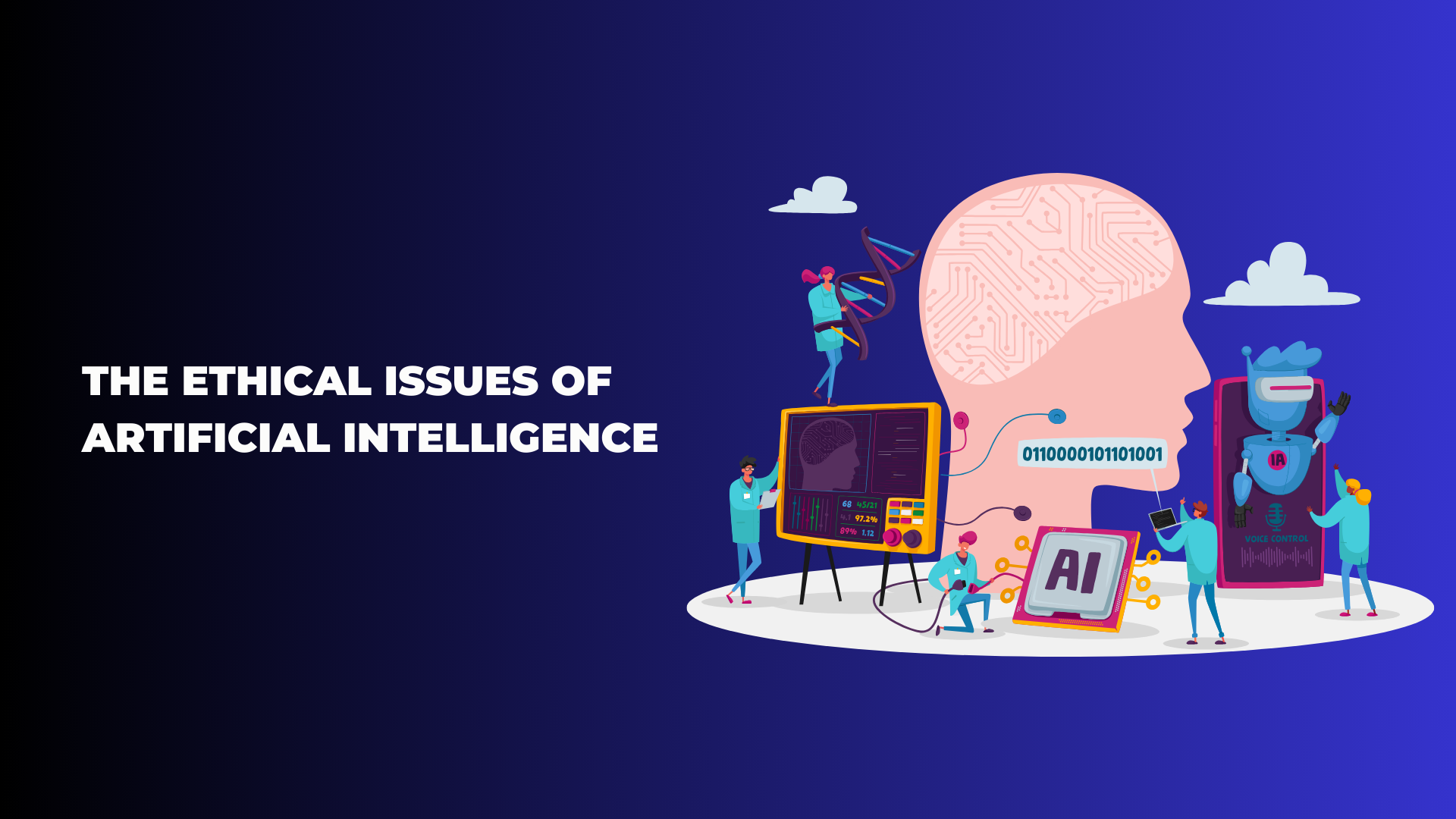
This powerful tech brings tough questions like ethical issues. Risks pop up where choices are shaped by hidden patterns. Bias sneaks in through data that isn’t fair. What happens next depends on how we handle control now. Decisions today shape what machines do tomorrow.
Why Ethics in AI Matters
People’s lives get shaped by artificial intelligence more every day – who gets hired, treated, watched, or approved for loans. Without careful planning behind them, these tools sometimes do damage instead of help.
Building trust in AI systems
Good AI builds tools people can trust, working clearly while helping communities. It shows how fairness matters when machines make choices. Safety grows where honesty guides design. People gain when technology respects their needs. Clear rules keep outcomes just. Trust rises if systems act responsibly. Benefits spread through thoughtful creation.
How AI Can Be Unfair
It starts with data – what machines absorb shapes what they output. When examples used to teach them carry slant, outcomes tilt too. Hidden leans in information become clear in decisions later. Learning happens by pattern, so skewed inputs lead to uneven effects. Fairness slips when training material lacks balance. What seems neutral often reflects old assumptions. Mistakes repeat because history repeats in code.
Types of AI Bias
Biases show up while people build systems, shaping choices early on a machine learning tool used in job recruitment could lean toward some applicants just because old records show patterns from past discrimination.
Impact of Bias
Bias in AI Can Lead to Unfair Outcomes
Discrimination in hiring processes
Unfair loan approvals
Inaccurate medical diagnoses
Unequal access to services
Bias needs tackling if things are going to be fair. How else will everyone stand on equal ground?
Privacy and Data Protection
Most times, artificial intelligence needs heaps of data – often holding private details. Because of that, questions pop up around how safe people’s info really is.
Key Privacy Issues
Unauthorized data collection
Without permission from the person using it
Data breaches and misuse
Surveillance and tracking
Out of sight, these systems chew through heaps of information – so care matters when managing what they use. A single slip could ripple further than expected.
Solutions for Privacy Protection
Implement strong data encryption
Follow data protection regulations
Limit data collection to necessary information
Challenges
Lack of transparency in how decisions are made
Difficulty in explaining AI outcomes
Limited accountability when errors occur
When it comes to places like hospitals or banking, unclear choices cause trouble because reasons matter. Mistakes hide easily if nobody knows why a decision was made.
Improving Transparency
Develop explainable AI models
Provide clear documentation
Ensure accountability for AI decisions
Openness earns confidence because people see how things actually function.
Jobs Lost Economics Changed
Out there, machines that learn are shifting how work gets done. Not every role stays the same when smart software takes over tasks once handled by people.
Risks
Replacement of repetitive and manual jobs
Reduced demand for certain roles
Economic inequality
Out of nowhere, jobs start shifting when machines learn tasks once done by people. Still, some roles find fresh paths forward amid the changes brought on by smart systems.
Addressing the Challenge
Upskilling and reskilling workers
Focusing on human centered roles
Encouraging continuous learning
Facing shifts matters when machines shape work.
Misuse of Artificial Intelligence
Beware how silent rules might fail when smart machines act on bad intent. A single gap in oversight lets harm slip through without warning.
Examples of Misuse
Deepfake technology for misinformation
Automated cyber attacks
Manipulation of public opinion
Warnings like these point to why clear rules matter – especially when values are involved.
Responsible AI Development
Those who build systems hold responsibility for fair outcomes. Groups shaping technology influence how it treats people. People making code help decide its impact. Teams behind tools guide their moral direction.
Best Practices
Use diverse and unbiased datasets
Test models for fairness and accuracy
Implement ethical guidelines
Continuously monitor AI systems
Building things right lowers dangers while lifting results. A careful approach keeps problems small yet strengthens what we achieve.
AI ethics future challenges
When AI moves forward, fresh problems show up. Though machines learn faster, hurdles appear in strange ways. Since tech shifts constantly, difficulties rise without warning. Even small upgrades bring complications nobody expects. As systems grow smarter, issues pop up where least anticipated.
Emerging Issues
Balancing innovation with regulation
Managing super intelligent systems
Ensuring global ethical standards
Addressing cultural and societal differences
Working together, governments, businesses, and scientists must shape how AI is used going forward.
Ways People Can Help
Picking up the slack isn’t only on coders when it comes to fair AI. Folks who interact with these systems day by day have a role too.
Stay informed about AI technologies
Use AI tools responsibly
Advocate for ethical practices
Openness grows when people share what they know. Fair treatment happens only if rules apply to everyone alike
How we pay attention matters just as much as what we do next. Watching closely changes how things unfold later on. Doing the right thing now shapes what comes around tomorrow. Choices today build the world that shows up eventually.
Conclusion
Out of nowhere, artificial intelligence brings huge possibilities. Yet hidden beneath are tough moral questions nobody saw coming. Bias shows up where you least expect it. Privacy slips away, piece by piece, unless someone steps in. Transparency? Often missing when decisions get made behind closed algorithms. Jobs fade as machines take over tasks once handled by people. Fixing these isn’t optional – it’s part of making sure everyone gains, not just a few.
A future worth having rests on decisions ignored by shortcuts. Trust forms slowly, vanishes fast – especially without clear lines drawn early. Responsibility appears most when nobody is watching closely. Ethical habits stick best when they start before problems do.
Also Check Top 10 Real World Uses of Artificial Intelligence in 2026