
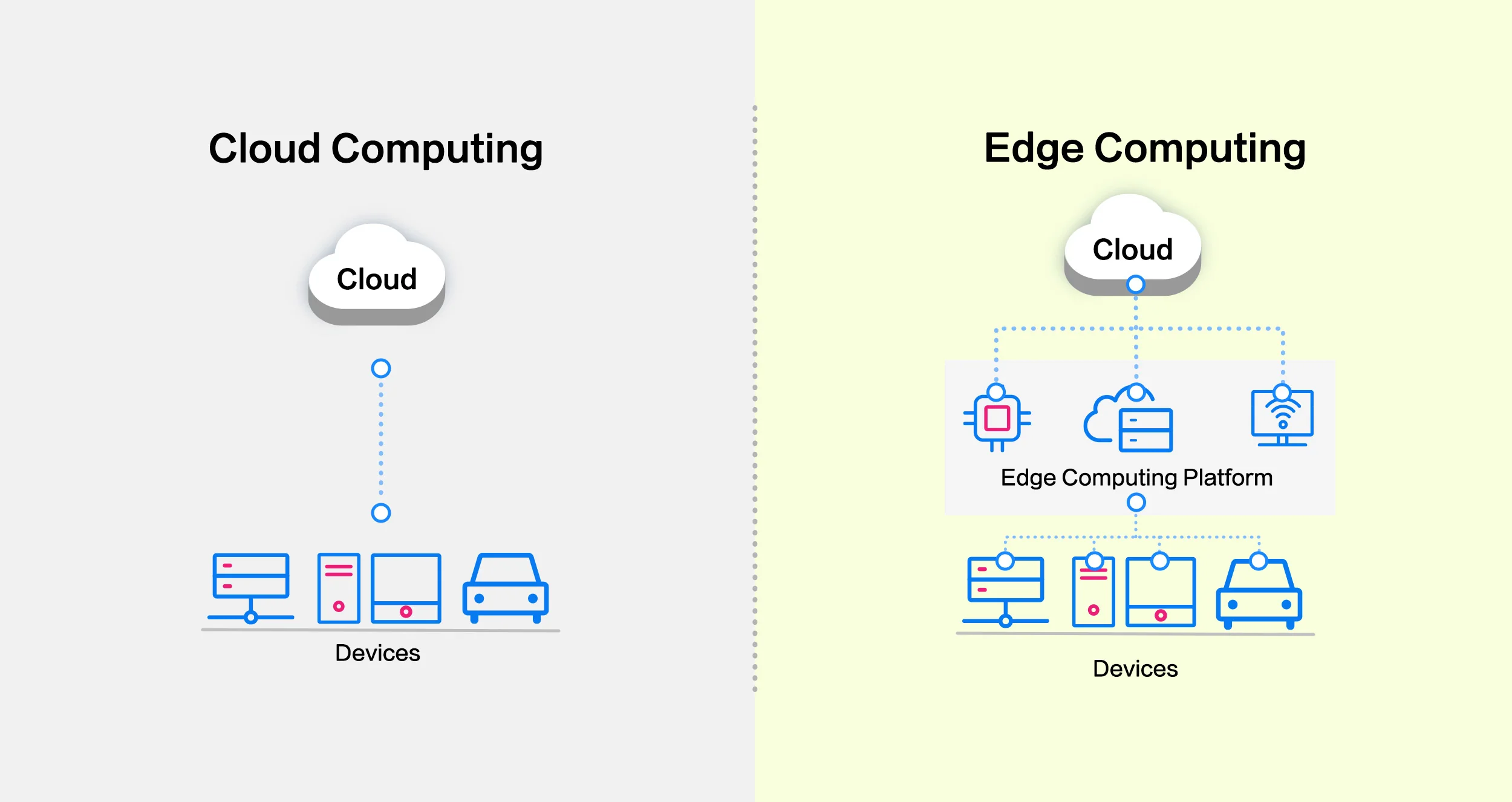
Fast changes in technology mean computers now work outside big central hubs. Near users, information gets handled right away by nearby machines instead of faraway centers. Knowing how close-up processing differs from distant server use matters more than ever these days. This piece breaks down each idea plainly, showing why things are moving past old-style online storage. One thing becomes clear – what feels familiar today might not last.
Table of Contents
Cloud Computing Explained
Out there, information gets stored and worked on faraway machines linked through the web. Your computer leans on massive server hubs run by firms such as Amazon, Google, or Microsoft rather than its own power. These digital centers take care of running programs and holding files so your device doesn’t have to.
Out in the digital world, information travels from your machine to big remote computers where it gets worked on before heading home as answers. That setup shows up often with video streaming, keeping files online, or running smart software helpers.
Edge Computing Explained Simply
Right there near the source, data gets handled on the spot rather than being shipped off to some faraway cloud hub. This shift means faster responses when immediate decisions are needed. Think sensors making real-time adjustments without waiting for a remote command center.
Take smart gadgets – phones, sensors, machines – they handle tasks right where they are. Not everything gets shipped off to some faraway computer room anymore. Stuff runs locally now, close to where it’s needed. Think small computers doing their own thinking.
Speed gets a boost, cutting down wait times – useful when things must happen now. Real-time tasks run smoother because of it.
Edge vs Cloud Computing Differences
Out at the fringes, computation shifts closer to people using it – data centers elsewhere handle loads differently. Centralized hubs define cloud setups; proximity matters more when working locally. For situations needing instant feedback or minimal delay, edge computing takes the lead instead.
A bit farther away, cloud computing packs more muscle yet lags a touch because of it. Right nearby, edge computing moves quicker though handles less at once.
Edge computing growth in 2026
One step ahead, 2026 sees more people wanting apps that respond right away. Because of things like driverless vehicles, connected urban systems, now even household gadgets expect immediate feedback from data. While speed becomes normal, machines talk faster than ever before.
Faster response times come from handling information closer to where it’s created. Because of this, operations run smoother without waiting long delays.
Take self-driving cars. A tiny lag might turn risky. Right there, inside the car, data gets handled straight away – no waiting. That is how edge computing steps in.
Cloud Computing Benefits
Even now, cloud computing matters a lot since it gives access to vast storage alongside strong processing ability. Flexibility in size plus lower costs make it work well for companies.
From any spot on Earth, people reach their files and tools without limits. Wherever they are, the system opens up what they need.
Running heavy tasks like artificial intelligence learning or handling massive datasets often happens on cloud systems. These setups support complex work without needing physical hardware nearby. Most large software operations rely on remote servers to manage their load efficiently.
Edge Computing Benefits
Faster responses happen when processing occurs closer to where data is created. Distance shrinks, so delays drop. Information skips long trips across networks. Speed improves without relying on faraway centers.
Local processing keeps information safer, since details never leave the device. That shift means less exposure, avoiding risks tied to sending data elsewhere.
Fewer bytes heading offsite means networks stay lighter. That happens because only essential bits make the trip outward.
Real World Applications
Streaming movies on Netflix? That happens because of cloud computing. Storing files online through Google Drive relies on it too. Artificial intelligence tools run heavy tasks using these remote servers. Processing power comes from data centers far away. Scalability lets services grow without breaking a sweat.
Besides smart gadgets, edge computing shows up in wearables. Industrial machines run on it too. Real time tracking leans heavily on this setup. Instead of waiting, data gets handled right where it’s created.
A single light switch might act fast on its own, yet still phone home when it needs new rules. Cloud setups wait longer but keep everything filed away safely.
Cloud and edge working together
Working side by side, cloud along with edge computing usually team up rather than take turns.
Out on the edge, gadgets crunch data right away. Over in the clouds, big servers tote up massive loads, keep files safe, then dig into trends way later.
A mix like this builds a strong system that works without waste. Efficiency shows up where power meets smart design. Together they run smoother than most expect.
Future of Computing
Computing ahead won’t live just in the clouds or out on the edges. Instead, it will balance both – linking distant servers with nearby devices. One feeds speed, the other cuts delay, each helping the rest. Together they shape what comes next.
When devices get smarter, processing data closer to where it’s created gains value because faster responses matter. Cloud systems stick around since they handle growth well even if distance slows things down a bit.
Final Thoughts
Out near the devices, edge computing handles data fast, right where it’s created. Meanwhile, far off in massive centers, the cloud offers vast space and muscle for heavy tasks.
By 2026, one thing becomes clear – apps, gadgets, and online platforms shift because of these two forces working together. Staying sharp on each idea keeps your edge in tech long after that point.
Also Check Cloud Computing Behind AI Tools – Powerful Guide 2026