
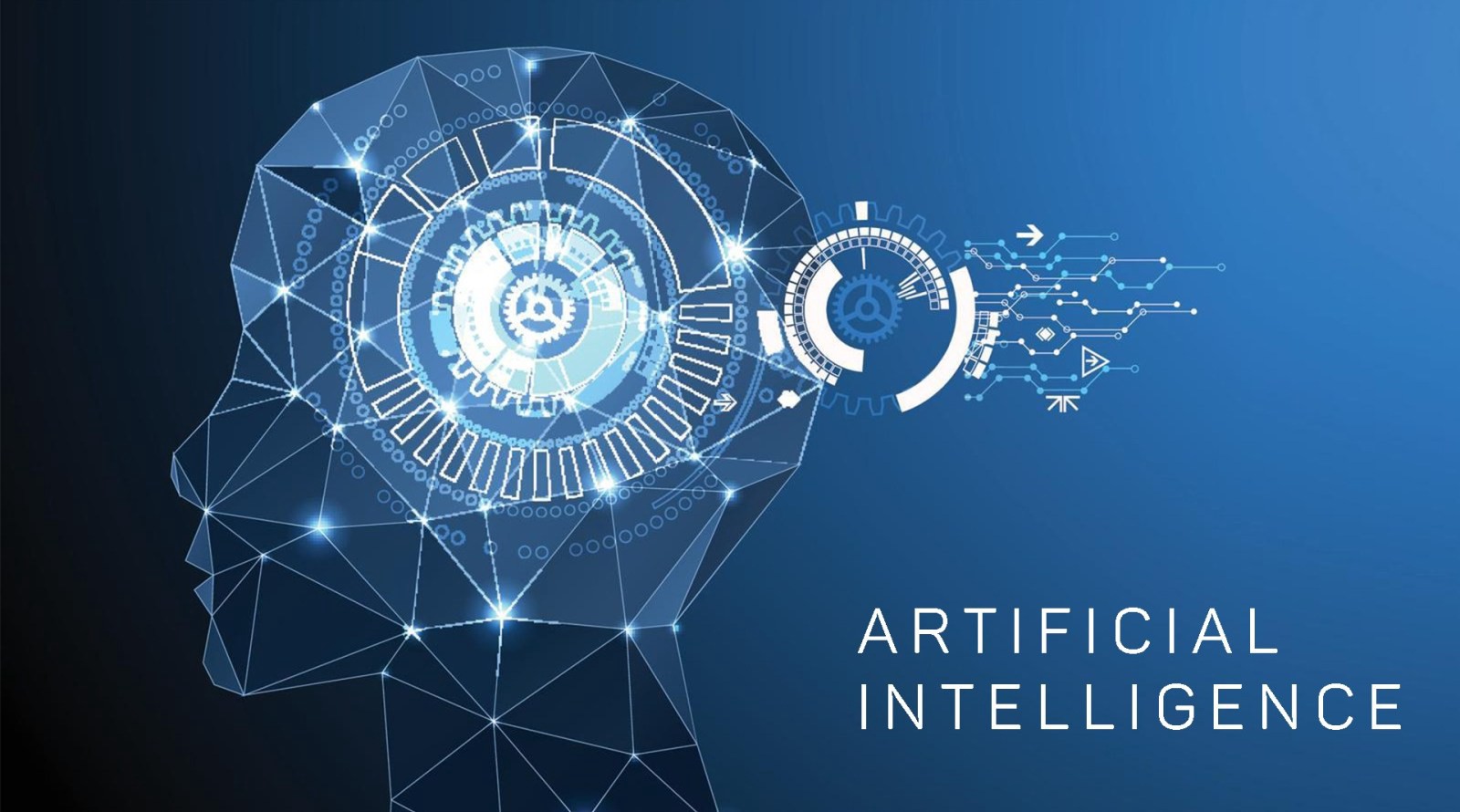
Out of nowhere, machines started thinking more like people. Instead of just following orders, they now learn from what happens around them. Imagine your phone knowing what you need before you ask – this kind of smart tech pops up everywhere today.
Artificial Intelligence Basics
Computers doing things we usually need people for – that is what lies behind the term Artificial Intelligence. Learning stuff over time? Machines can do it. Working out answers when faced with tricky situations happens too. Understanding how words fit together comes naturally now. Decisions once thought only humans could make are being made by systems without us.
Most times, these systems learn by spotting trends in information instead of following strict rules step by step. A tool such as ChatGPT shows off how machines can mimic speech we’d hear between people, often sounding familiar. Behind it, improvement happens slowly through repeated exposure, not sudden updates written line after line.
Working of Artificial Intelliegence
Computers learn patterns when fed plenty of examples. These systems build understanding through repeated exposure to information. Power grows not just from code but also how it handles real inputs.
The general process includes
Collecting and preparing data
Training algorithms to recognize patterns
Testing and improving the model
Deploying the system for real world use
Learning by machines – part of artificial intelligence – lets systems grow smarter through experience instead of fixed rules. Over time, patterns in information shape how these programs adapt without being reprogrammed each step.
Types of Artificial Intelligence
Near the start of thinking about machines that think, one way to sort them pops up when you look at what they’re able to do.
Narrow AI
One task at a time – that is what narrow AI handles. Today’s machines mostly stick to this path instead of branching out.
Examples include
Voice assistants
Recommendation systems
Image recognition tools
Most of these setups work well, yet handle only certain tasks. Though fast, each one sticks to a narrow role.
General AI
Imagine a machine smart enough to tackle whatever mental challenge people handle every day. Such systems remain an idea for now, existing only in theory rather than reality.
Super AI
Out beyond today’s tech, imagine minds made of code that think deeper than any person ever could. Still just an idea buzzing in labs and late-night talks, this leap forward pushes us to ask – what even counts as smart? Hidden inside its promise are puzzles about control, purpose, wrong turns.
Technologies Behind AI
Machines process human speech through systems built to recognize sounds. Data gets sorted by software trained on huge sets of examples. Thinking like humans comes from networks modeled loosely on brains.
Machine Learning
Learning happens inside machines by spotting patterns in information, then getting better over time – no step-by-step coding needed.
Computer Vision
Seeing through cameras, computers can now understand pictures and video clips. From spotting faces to helping self-driving cars navigate roads, they do it all. Medical scans get analyzed by these systems too, finding what human eyes might miss.
Deep Learning
One layer builds on another when machines learn through deep networks. These systems handle messy inputs by mimicking brain cells at work. Progress in smart-seeming tech often traces back here. Complex patterns get untangled without step-by-step programming. Breakthroughs emerge where older methods once stalled.
AI in Everyday Life
Folks encounter artificial intelligence without even noticing it each day. Things like voice assistants, recommendation systems, or spam filters show up regularly
Healthcare systems for diagnosis and treatment planning
E commerce platforms for personalized recommendations
Financial systems for fraud detection
Education platforms for personalized learning
Self driving cars and smart transportation
Faster decisions now shape how factories run. Machines learn tasks once handled by people. This shift opens space for new ways of working. Smarter tools adjust without constant oversight. Old methods fade as systems evolve quietly.
Automation of repetitive tasks
Improved decision making through data analysis
Increased efficiency and productivity
Enhanced user experiences
Innovation in products and services
Challenges and Limitations of AI
Yet it moves forward, weighed down by limits unseen at first glance. Still, hurdles remain baked into how these systems work today.
High dependency on large datasets
Risk of bias in algorithms
With each step forward, routines at home and work slowly reshape around smarter systems. Quietly, intelligence woven into tools begins guiding choices once made by people alone.
Emerging trends
AI powered automation across industries
Integration with Internet of Things devices
Advancements in robotics
More human like interactions with machines
Faster changes may come as machines start shaping how work gets done. New paths could open when tasks shift in ways people didn’t expect before.
Start Learning AI
Starting out with AI? A clear plan might help.
Understand basic mathematics and statistics
Study machine learning concepts
Practice with real world projects
Explore AI tools and frameworks
Sticking with it matters most when learning AI. Practice every day, that builds real skill. What counts? Doing the work regularly. Over time, doing things again makes them clear. Showing up each time helps more than you think.
Conclusion
Out there, machines are learning fast changing the way people work. Not just doing tasks, but thinking through problems like humans might. Starting to see shifts everywhere, even where you least expect them.
Grasping simple ideas behind AI helps newcomers start firm. Different kinds, tools, and real-world uses open doors when studied step by step. Learning never stops here each effort adds clarity over time. Jumping into hands-on work sharpens skill slowly but surely. Many find their place in this expanding world just by sticking around. Growth happens quietly, without loud promises or quick fixes.
Also Check Ethical Issues in Artificial Intelligence Risks Bias Future Challenges 2026